President Trump discusses AI, trade, and more during Middle East visit
Trump's AI policies could reshape tech landscape
In a sprawling interview during his Middle East visit, former President Donald Trump offered rare insights into his views on artificial intelligence and its implications for American competitiveness. While Trump has historically focused his technology rhetoric on social media regulation and China trade policies, this conversation revealed a more nuanced perspective on how he sees AI's role in America's economic future. The interview, which covered everything from market regulations to immigration policy, suggests AI governance could become a significant policy battleground in the upcoming election.
Key aspects of Trump's AI stance:
- Trump emphasized AI's strategic importance to American competitiveness, particularly against China, framing it as a critical national security concern rather than just a business innovation
- He positioned himself as pro-innovation while simultaneously expressing concerns about AI's potential risks, especially regarding job displacement and market concentration
- Trump indicated he would pursue a regulatory approach that balances fostering innovation with implementing "safeguards" against harmful uses, though specifics remained vague
The most revealing aspect of Trump's commentary was his framing of AI as both an economic opportunity and a potential threat. "We have to win the AI race," Trump stated, explicitly connecting technological leadership to national security in ways reminiscent of Cold War rhetoric. This represents a significant evolution from his previous technology policy positions, which focused primarily on content moderation and Section 230 reform.
This shift matters immensely in the current political and business climate. With the Biden administration having already established an AI regulatory framework through executive order, any incoming administration would face immediate decisions about continuing, modifying, or replacing these policies. Trump's comments suggest he views AI governance through a competitive lens first and foremost, potentially signaling a move away from the ethics-forward approach currently guiding federal policy.
What the interview didn't address was how Trump's AI policies might specifically differ from current approaches. The Biden administration has pursued a multi-pronged strategy involving voluntary commitments from AI companies, research funding, and targeted regulation. Trump's history suggests he might favor a more deregulatory approach, but his comments about "safeguards" hint at recognizing the unique challenges AI presents.
A critical missing dimension is how Trump's AI policies would interact with his broader economic agenda. His previous administration focused heavily on trade policy and manufacturing, with mixed results for the technology sector. If AI development becomes increasingly intertwine
More videos
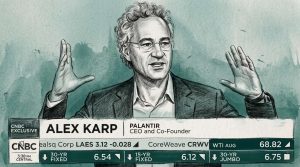
Alex Karp just told CNBC the AI industry is “effing insane.”
He’s right about one thing: AI isn’t overhyped, it’s mispriced. He’s also the guy selling you the fix....

Claude Fable 5: When Capability Meets Economics
Anthropic released Cloud Fable 5 with a paradox built in: safeguards sophisticated enough to let a mythosclass model...
Run Agentic AI Entirely on Your Mac—No Cloud, No Latency, No Privacy Tradeoffs
Apple’s MLX framework is mature enough now that you can run serious agentic AI workflows locally on Silicon...